1. Walk-through and plan
A technician looks over the room and explains what can be cleaned and what has to be removed.
Sully, IA · Jasper County
Body fluids on a bed, a bathroom floor or a car seat in Sully? Call (877) 812-4220. Crews lift the fluids, treat the odor and dispose of the waste the way biohazard rules require.
If anyone is in danger, call 911 first. For a suicide crisis, call or text 988.
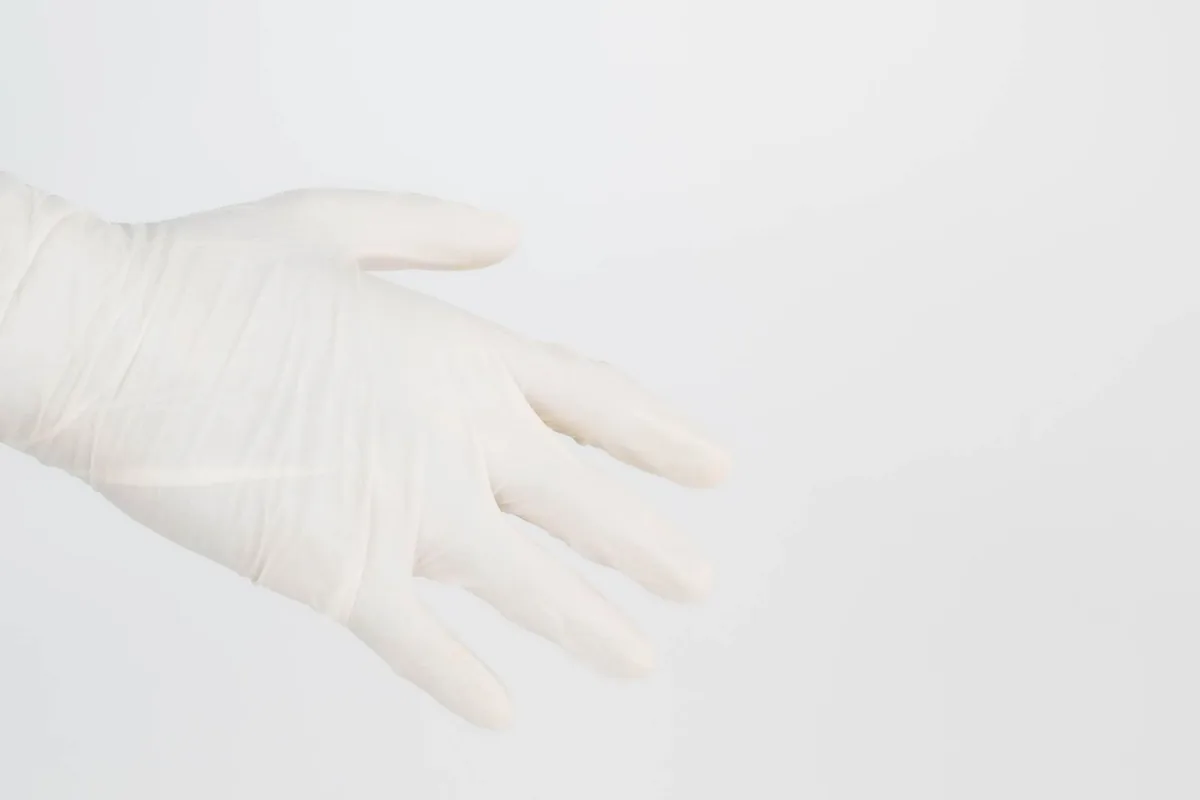
Feces removal is the first stage of cleaning up human waste. The waste is lifted with protective gear and disposable tools, soaked materials are taken out, and surfaces are disinfected afterward.
If you need bodily fluid cleanup in Sully or anywhere in Jasper County, call Sully Biohazard Cleanup Help. Homeowners, landlords, property managers, caregivers and businesses can all get help.
About 23% of people in Sully are older adults, and bodily fluid cleanup is often needed in a home after a fall, an illness or a hospital stay. About 28% of households in Jasper County rent. In a rental, the lease and local law help decide who gets the cleanup done and who pays for it.
The work often covers:
A technician looks over the room and explains what can be cleaned and what has to be removed.
Fluids are traced across floors, walls and furniture, including seams, baseboards and places that are easy to miss.
Fluids, stained porous materials and contaminated debris are removed. Surfaces that can stay are cleaned and disinfected.
Disinfectant stays wet on each surface for the label time. The crew then checks the work and takes the waste out.
Bodily fluid cleanup in Sully, IA typically costs $300 to $4,000, depending on the size of the affected area and the materials involved.
Waste volume plays a role. More soaked material means more packaging and more regulated medical waste to haul and dispose of.
| Type of job | Typical range |
|---|---|
| Small blood or fluid cleanup | $500 - $2,500 |
| Blood cleanup, published span | $300 - $4,000 |
Estimates only, not a quote. Sources: BioCleaners Directory, Biohazard cleanup company pricing guide. Price drivers include type and amount of fluid, porous or hard surfaces, waste disposal, whether odor treatment is needed. Call (877) 812-4220 to talk through the job.
The safety steps are the same, but commercial jobs may involve shared restrooms, customers and business hours. Crews work to close off the area, clean it quickly and keep documentation for managers and insurers.
Many homeowners policies cover crime or death cleanup after the deductible, but an ordinary illness may not be covered. Renters policies often cover cleanup but not the building. Call the insurer before cleanup starts, take photos and keep every receipt.
Breathing the odor of feces is unpleasant and can irritate the nose, throat and eyes. Dried waste can also release particles when it is disturbed. Ventilate if you can, avoid sweeping or scrubbing, and call a cleanup team for large amounts.
Blood and other body fluids that may carry germs are treated as biohazards. Some, such as blood, can carry bloodborne pathogens like hepatitis B and HIV. Cleanup crews handle all of them with the same protection, because the source of a fluid is not always known.
Usually not when the fluid has soaked through. Mattresses, couches and padded furniture absorb liquid deep inside, and surface cleaning does not reach it. Soaked items are typically removed and disposed of as waste.
Yes. Many scenes include more than one fluid, and crews treat them all as possible carriers of infectious germs. The same containment, removal and disinfection steps apply, with disposal as regulated medical waste.
Calls are answered 24/7, and the job is planned on the call.
Call (877) 812-4220